
Modern family life often feels like a carefully choreographed routine that can easily fall out of sync. Between medical appointments, school responsibilities, extracurricular activities, and unexpected household expenses, parents are constantly making decisions about where to focus their time and resources. When multiple priorities arise at once, it can feel overwhelming to determine what deserves immediate attention and what can be scheduled later. The key to maintaining balance is not perfection, but organization, communication, and thoughtful planning.
Health and education are two of the most important investments families make. At the same time, financial realities cannot be ignored. A child may need a doctor’s visit during the same week tuition is due. A school event may overlap with a home repair. An unexpected expense may disrupt carefully planned savings goals. Without a system for organizing these responsibilities, stress can build quickly. However, with a proactive calendar, clear budgeting strategy, and coordinated family discussions, it is possible to manage these competing demands effectively.
In this guide, we will break down ten key areas where families commonly face scheduling and financial pressure. By prioritizing wisely and planning ahead, busy households can create a manageable rhythm that supports health, education, and long-term stability without feeling constantly behind.
Prioritizing Preventive Health and Wellness
Health should always remain a foundational priority for families, especially when preventative care can reduce future complications. For some adults, balancing responsibilities may include scheduling hormone services to address energy levels, sleep issues, or overall wellness. While these appointments may feel optional during busy seasons, preventative care can improve long-term health and daily productivity. Addressing concerns early often prevents more serious disruptions later.
Preventative health also means maintaining regular checkups for children. Annual physicals, dental cleanings, and vision exams should be placed on the calendar at the start of each year. When families schedule these appointments in advance, they reduce the likelihood of urgent conflicts during peak school or activity seasons. Creating a shared digital calendar helps ensure no appointment is overlooked.
Budgeting for wellness in advance also makes a significant difference. Setting aside a small monthly amount for routine care spreads out the financial impact. Families who treat preventative health as a fixed priority rather than a last-minute decision often experience fewer emergencies and less stress. When wellness is scheduled proactively, it becomes part of the family routine rather than a disruption.
Organizing Early Childhood Education Planning

For families with young children, enrolling in a preschool class can feel like a major milestone. Early education requires not only emotional preparation but also logistical coordination. Registration deadlines, required documentation, and tuition schedules must all be tracked carefully to avoid last-minute complications.
Parents benefit from creating a dedicated education folder—either digital or physical—that includes school calendars, contact information, and important dates. By reviewing the schedule at the start of each semester, families can anticipate early dismissals, parent-teacher conferences, and holiday breaks. Planning childcare coverage for these days in advance reduces last-minute stress.
Financial preparation is equally important. Preschool expenses can be significant, so building tuition into the monthly household budget prevents surprise strain. Families may also explore payment plans or staggered billing options to align with income cycles. By organizing early education planning thoughtfully, parents create stability for their children and reduce scheduling conflicts throughout the year.
Managing Specialized Medical Care
Specialized medical appointments often require extra coordination. For example, if a family member needs tmj treatment, scheduling consultations and follow-up visits may involve multiple providers. These appointments can overlap with work hours or school commitments, making advance planning essential.
To manage specialized care efficiently, families should request clear treatment timelines from providers. Understanding how many visits are required and how long recovery periods may last helps prevent scheduling surprises. It also allows parents to arrange transportation or childcare as needed.
Budgeting for specialized medical care should be handled with the same foresight as tuition or utilities. Reviewing insurance coverage, payment schedules, and potential out-of-pocket costs prevents unexpected financial pressure. When families approach specialized health needs with transparency and planning, they maintain balance without sacrificing other priorities.
Planning School Events and Celebrations Thoughtfully

School events, birthday parties, and community gatherings often require coordination beyond simple attendance. When hosting larger events, families may consider catering to manage time more efficiently. Outsourcing meal preparation can reduce stress during already busy weeks filled with school activities and appointments.
Advance planning makes these events smoother. Creating a shared family calendar with reminders for RSVP deadlines, supply purchases, and volunteer shifts helps distribute responsibilities evenly. Older children can assist with preparation, teaching them time management skills in the process.
Financially, families should set a yearly celebration budget to avoid overspending during peak seasons. Allocating funds gradually throughout the year prevents event-related expenses from overlapping with tuition or medical costs. Thoughtful event planning ensures that celebrations enhance family life without overwhelming schedules or finances.
Preparing for Everyday Household Emergencies
Unexpected household issues can disrupt even the most organized schedule. A cracked device screen, for instance, may require immediate phone screen repair to maintain communication with schools and medical providers. Small disruptions like this can cascade into larger inconveniences if not addressed promptly.
To manage these situations, families should maintain a modest emergency fund dedicated to minor but urgent expenses. Setting aside funds for quick repairs prevents the need to shift money away from essential obligations such as healthcare or tuition.
It is also helpful to build flexibility into weekly schedules. Leaving small gaps between major commitments allows time to handle unexpected errands. By anticipating minor emergencies and preparing financially, families can address disruptions quickly without sacrificing other priorities.
Balancing Major Expenses and Financial Planning

Occasionally, families face larger expenses that exceed regular savings. In these cases, personal loans may be considered to bridge short-term gaps. While borrowing should always be approached cautiously, understanding available options allows families to make informed decisions.
Financial transparency is critical. Before committing to additional expenses, households should review income, fixed costs, and long-term goals. Creating a repayment plan before borrowing ensures that temporary solutions do not become long-term burdens.
Families benefit from holding regular financial check-ins. Monthly discussions about tuition, healthcare costs, and savings goals keep everyone aligned. When financial planning is treated as an ongoing conversation rather than a crisis response, large expenses become more manageable.
Supporting School Communities and Fundraising
Education often extends beyond tuition. Many families participate in fundraising ideas for schools to support programs, field trips, or extracurricular activities. While participation is valuable, it should be planned thoughtfully to avoid overscheduling.
Creating a yearly volunteer calendar helps families choose events that align with their availability. Rather than committing to every opportunity, selecting a few meaningful contributions ensures quality involvement without burnout.
Financial boundaries are equally important. Setting a specific donation or participation budget prevents school-related fundraising from overlapping with essential expenses. By balancing generosity with practicality, families can support their communities without compromising stability.
Preparing for Academic Transitions
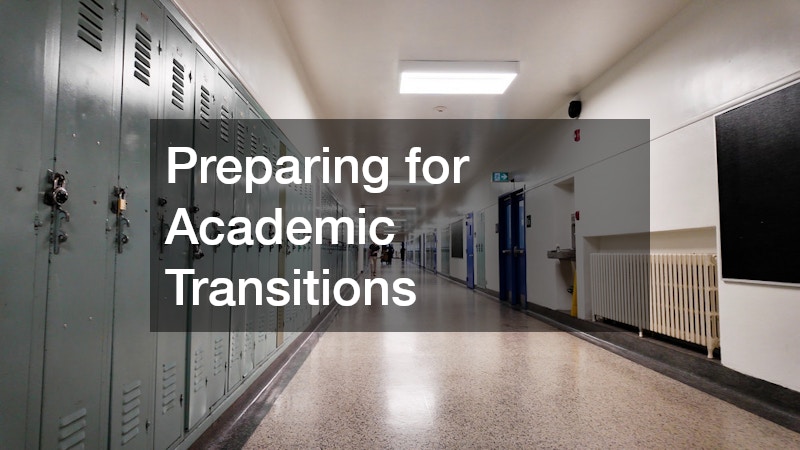
As children grow, educational planning evolves. Considering enrollment in a preparatory school requires early research, campus visits, and application deadlines. These steps should be mapped out well in advance to avoid last-minute pressure.
Parents should track entrance requirements, testing dates, and financial aid timelines carefully. Organizing these milestones on a shared calendar ensures that important opportunities are not missed.
Budgeting for tuition adjustments or related expenses must also be factored into long-term planning. When families approach academic transitions proactively, they reduce stress and make informed decisions about their children’s future.
Navigating Seasonal Illnesses and Care
Seasonal health concerns can disrupt even the best-planned schedules. Arranging timely flu treatment during peak illness months prevents prolonged absences from work or school. Keeping vaccination records and provider contact information readily accessible speeds up appointment scheduling.
Families should anticipate higher healthcare activity during certain times of year and avoid overscheduling extracurricular commitments during those months. Maintaining flexibility in winter calendars, for example, allows room for recovery if illness strikes.
Preparing basic home care supplies in advance also reduces urgent trips to the store. Thoughtful seasonal planning ensures that temporary illnesses do not derail long-term routines.
Managing Cosmetic and Preventive Dental Care
While not urgent, cosmetic procedures such as teeth whitening often coincide with milestone events like graduations or family gatherings. Scheduling these appointments well in advance avoids overlap with more pressing obligations.
Preventative dental visits should be treated as fixed calendar items, ideally scheduled during school breaks to minimize disruptions. Aligning dental care with other health appointments streamlines logistics.
Budgeting for elective treatments separately from essential care helps families maintain financial balance. When cosmetic and preventative services are planned thoughtfully, they enhance confidence without creating scheduling strain.
Building a Family Planning System That Works Year-Round
One of the most effective ways to prevent overlapping stress is to establish a structured annual planning system. Rather than reacting month by month, families benefit from mapping out the entire year in broad strokes. At the start of each year, sit down together and outline known commitments such as school enrollment deadlines, seasonal health appointments, major holidays, and recurring expenses. This high-level overview makes it easier to see where busy seasons cluster. For example, late summer may combine back-to-school shopping, annual physicals, and tuition payments, while late fall may include school events and seasonal illnesses. Identifying these patterns in advance allows families to shift flexible tasks into lighter months.
Breaking the year into quarterly planning sessions also creates manageable checkpoints. Every three months, review upcoming commitments and adjust as needed. Confirm appointment dates, check the status of savings goals, and prepare for any anticipated changes. These structured reviews reduce the risk of double-booking and allow time to correct small issues before they become larger disruptions. A shared digital calendar with color-coded categories for health, education, financial obligations, and family events can provide visual clarity at a glance.
Equally important is assigning responsibility. When every task falls on one parent, stress increases quickly. Dividing responsibilities—such as one person managing school forms while another handles medical scheduling—creates accountability and balance. Older children can also participate by tracking assignment deadlines or preparing school materials independently. Establishing a system that distributes tasks evenly helps the entire household function more smoothly throughout the year.
Creating a Flexible Budget That Adapts to Change
Financial stability plays a central role in maintaining balance across health and school priorities. Instead of building a rigid monthly budget that leaves no room for surprises, families should incorporate flexible categories designed to absorb fluctuation. For example, rather than assigning a fixed amount exclusively to medical expenses, create a broader “health and wellness” category that includes preventative visits, occasional prescriptions, and minor urgent care needs. This approach prevents sudden expenses from disrupting other financial commitments.
A sinking fund strategy can also reduce stress. By setting aside small, consistent contributions for predictable but irregular expenses—such as school supplies, activity fees, or annual checkups—families smooth out large payments over time. Even modest monthly deposits accumulate meaningfully when planned consistently. This technique transforms overwhelming lump-sum expenses into manageable installments.
Emergency funds should remain separate from routine budgeting. While it may be tempting to dip into emergency savings for planned costs, preserving that cushion ensures readiness for truly unexpected situations. Reviewing spending trends quarterly can reveal opportunities to reallocate funds more effectively. Perhaps entertainment spending can be temporarily reduced during heavy tuition months, or subscription services can be reevaluated. A dynamic budgeting mindset allows families to pivot confidently rather than feeling financially trapped when new responsibilities arise.
Reducing Stress Through Communication and Boundaries
Beyond scheduling and budgeting, emotional balance is equally critical. Families often overcommit because they feel pressure to participate in every event, attend every activity, or say yes to every opportunity. Establishing clear boundaries protects time and energy. Before agreeing to additional commitments, ask whether the event aligns with current priorities and capacity. Saying no occasionally preserves long-term balance.
Balancing health appointments, school planning, and expenses requires intentional organization rather than reactive decision-making. Families who establish shared calendars, conduct regular financial check-ins, and prioritize preventative care create stability even during busy seasons. By addressing essential systems first—health, education, and financial structure—households build a reliable foundation for everything else.
Proactive scheduling prevents overlapping delays and last-minute stress. Whether preparing for school transitions, managing specialized medical care, or handling everyday emergencies, thoughtful planning keeps responsibilities manageable. Building small buffers into both time and budget allows families to adapt when unexpected challenges arise.
Ultimately, balance does not mean eliminating busyness—it means approaching it with clarity and coordination. With consistent communication and realistic planning, busy families can support each other’s health, education, and financial well-being without feeling overwhelmed.
